
 English
 Español
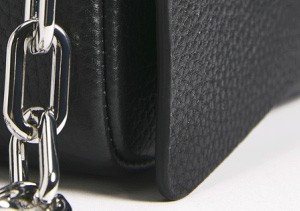
Why does proper leather bag cleaning matter?
Leather is porous and needs gentle care. Proper cleaning preserves color and texture, prevents cracks, and extends the life of zippers and linings. Plus, the longer you use your bag, the more sustainable it becomes.
- Color and texture: healthy shine without grease.
- Durability: fewer cracks and premature fraying.
- Sustainability: longer use, smaller footprint.

Identify your leather type (key before starting)
Full/top grain leather: natural pores, firm touch; allows light damp cleaning and nourishing creams.
Suede or nubuck: velvety and water-sensitive; clean with a brush and eraser, and protect with a waterproofing spray.
Sealed/pigmented finishes: more resistant but can show rings with heat. Always do a patch test first.
| Leather type | Cleaning | Hydration | Protection |
|---|---|---|---|
| Full grain | Cloth + specific cleaner | Neutral cream/balm | Universal waterproof spray |
| Suede | Brush + eraser | Do not use creams | Suede spray |
| Nubuck | Soft brush | Do not use creams | Suede spray |
Recommended basic kit
- Microfiber cloth and neutral pH soap
- Leather cleaner and colorless cream (only for full grain)
- Protective spray (full grain and suede)
- Soft brush and suede eraser (for suede)
Quick cleaning (5 minutes)
- Dust off with a dry microfiber cloth.
- Full grain: slightly damp cloth with water + drop of neutral pH soap. Short strokes.
- Dry in the shade and stuff with paper.
- Suede/Nubuck: brush gently in one direction; use eraser for marks.
Tip: clean handles and areas that rub against clothing.
Deep cleaning (monthly or after an incident)
For full grain leather
- Pre-clean: remove dust and empty pockets.
- Specific cleaner: apply with a soft cloth in small circles.
- Remove with a slightly damp cloth and dry in the shade.
- Hydrate: apply a very thin layer of colorless cream; finish by polishing.
For suede or nubuck
- Brush to lift the nap.
- Eraser: for localized stains (short strokes).
- Protect with a suede spray from 20–30 cm away, in thin layers.
Avoid: scented wipes, acetone/nail polish remover, direct heat, and soaking seams.
Hydrate and waterproof: the right order
- Clean (quick or deep).
- Hydrate only full grain leather: pea-sized amount per panel.
- Protect with waterproof spray (full grain and suede) in 2 light crossed layers.
Signs of over-conditioning: excessive shine and sticky touch. Solution: wipe with a slightly damp cloth and extend time between hydrations.
Common mistakes and how to fix them
- Water rings: dry evenly, rehydrate, and polish. More in this guide.
- Ink/pen stains: treat progressively. See remove ink stains.
- Jeans color transfer: clean gently and protect; for light leather, apply protector before first use.
Maintenance and storage
- Every 2–3 weeks: light cleaning.
- Every 3–4 months (full grain): light hydration.
- Each season: waterproof protection.
- Storage: fill and store in a textile bag; avoid sealed plastic bags.
Quick checklist
- Patch test
- Microfiber cloth
- Short strokes; dry in shade
- Thin cream layer (only full grain)
- Protective spray in 2 thin coats
- Store with filling and bag
Frequently asked questions
Can I use baby wipes?
Better not: they leave residues and perfumes. Use highly diluted neutral soap (for full grain) or a brush (for suede).
Can I use body cream?
Not ideal: it can grease and attract dust. Use creams specifically made for leather goods.
Does a hairdryer speed up drying?
Avoid it: direct heat stiffens the leather and fixes water marks. Dry in the shade.
How often should I hydrate?
Full grain: every 3–4 months. Suede/nubuck: do not use creams; only protective spray.