
 English
 Español
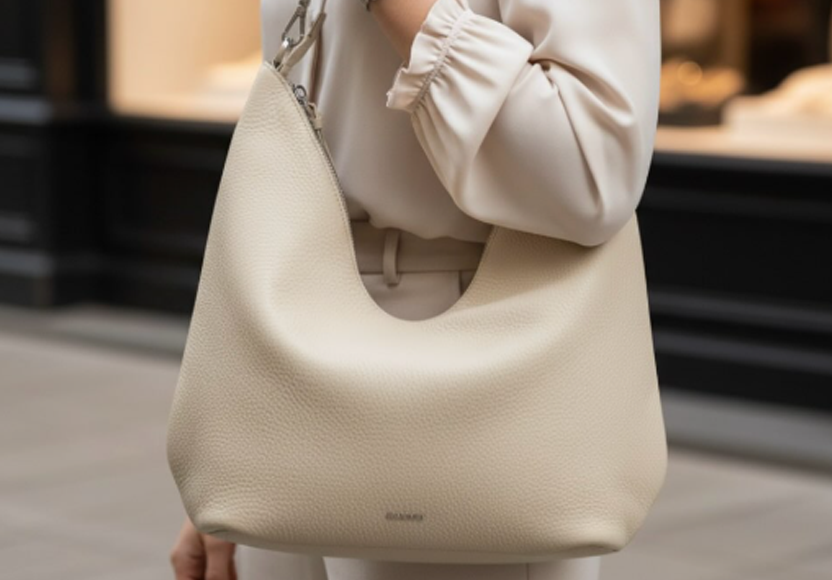
That is why so many people search for leather bags made in Spain. This is not a casual query. It usually comes from someone researching quality, origin, craftsmanship and design.
What does made in Spain really mean?
For some brands, origin works as a simple marketing argument. In Spain’s case, it also carries real cultural and production meaning. Spain’s reputation for high-quality leather goods and its strong artisanal tradition. It also notes that shoppers associate Spanish products with authenticity, quality and modern design rooted in craft.
That is why “made in Spain” feels like more than a label. It feels like know-how.

The artisanal roots of Spanish leather
The value of Spanish regions known for leather goods tradition, including Andalusia and areas connected to artisanal production. That heritage helps explain why Spain remains a reference point for brands that want to work with leather at a high standard.
Behind a great bag there are many decisions that remain invisible to the buyer: leather selection, cutting, structure, stitching, finishing, hardware and durability control. When a brand gets all those decisions right, the result is noticeable. The bag feels better, ages better and communicates a different level of care.
Why Made in Spain matters internationally
The Alazana brand proposal makes an important point: a local-sounding identity should not be seen as a limitation, but as an advantage. Design in Spain adds prestige and origin even beyond Spain.
That matches a clear market reality. Many international buyers are not only looking for a beautiful bag. They are looking for meaningful origin. They want to know where the piece comes from and what tradition supports it.
What people expect from leather bags made in Spain
1. Strong raw material quality
Expectation begins with the leather itself: touch, appearance, flexibility, resistance and how beautifully it evolves over time.
2. Visible craftsmanship
A bag does not need to look old-fashioned to feel artisanal. Craftsmanship can absolutely live inside contemporary design, but it should be sensed in the details.
3. Intentional design
A well-made bag is not only well stitched. It is also well thought out: proportions, weight, opening, comfort, capacity and real-life usability.
4. Identity
Spain does not produce one single aesthetic. And that is part of the strength. There can be quiet sophistication, equestrian inspiration, minimalist lines or a more urban feel, as long as there is a clear point of view.
Alazana and the value of a Spanish leather bag with its own identity
Alazana fits naturally into this territory. Its brand pillars are clearly stated as quality, responsible leather, responsibility, enjoyment and trend awareness. The brand is as high quality yet approachable, responsible and sustainable, with a fresh tone.
Its symbolic universe strengthens the Spanish leather story even further. The name Alazana is linked to the equestrian world, historically associated with prestige, nobility, movement and leather accessories.
Alazana have a distinct narrative. It is not just a leather bag. It is offering a piece with roots, visual strength, local heritage and a contemporary reading of quality.
Made in Spain does not mean old-fashioned
There is a common mistake in assuming that craftsmanship must look classic or dated. But the Spanish market shows the opposite. One of the sector’s strengths is precisely the combination of tradition and modern design.
That matters because today’s customer does not want to choose between beauty and practicality, between origin and modernity, or between style and responsibility. She wants brands that can bring all of that together in one piece.
Leather bags made in Spain continue to stand out because they bring together qualities that are difficult to replicate all at once: tradition, raw material, design, identity and a kind of prestige that does not need to be loud in order to feel valuable.