
 English
 Español
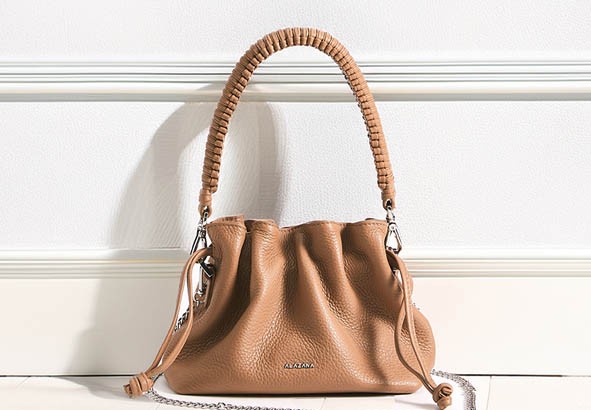
How to Properly Condition a Leather Bag
Conditioning restores the leather’s elasticity and softness, prevents cracking, and keeps the color vibrant. The secret isn’t “more product” — it’s less, applied correctly: the right amount, in the right order, using a uniform technique.
Which bags need conditioning?
- Full-grain leather (smooth or pigmented): yes, with neutral leather creams/balms.
- Aniline or semi-aniline (more open finish): yes, with very light balms and a patch test.
- Suede/nubuck (velvety leathers): do not condition with creams; protect with spray instead.
- Highly sealed glossy leather: condition with minimal layers or alternate with protection only.
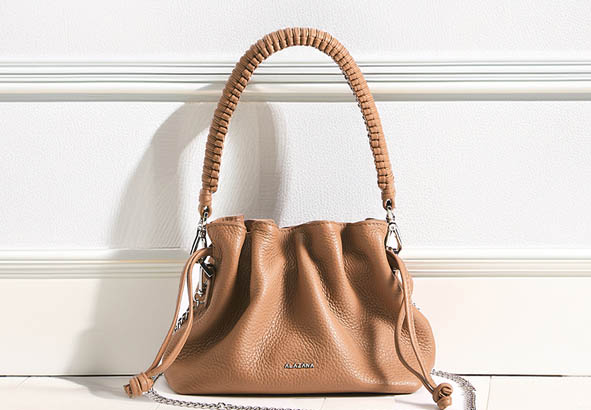
Recommended basic kit
- Neutral leather balm/cream (colorless, no heavy silicones).
- Soft microfiber cloth (two pieces: one to apply, one to buff).
- Gentle leather cleaner (to use beforehand if there’s dirt).
- Protector spray (final optional step).
Step-by-step (fail-proof technique)
1) Pre-cleaning
- Remove dust with a dry cloth.
- If there are marks or dirt, use a gentle cleaner with short strokes. Let dry in the shade.
2) Patch test
- Apply a micro-amount of cream to a hidden area.
- Wait 20–30 minutes and check color and shine.
3) Minimal, even conditioning
- Use a pea-sized amount per panel (front, back, sides).
- Spread using the cloth in small circular movements, without overworking any area.
- If the bag is large, work section by section to avoid uneven patches.
- Allow the product to settle for 10–15 minutes.
4) Buffing and finishing
- Buff with the second (dry) cloth to even out the shine.
- If you prefer a matte finish, keep buffing minimal.
- Optional: apply a protector spray 24 hours later (thin layers).
How much product is the right amount?
- The leather should look nourished — not shiny. If there’s excess residue, you applied too much.
- Good sign: the leather feels soft, never sticky.
Suggested frequency
- Daily use (dry/cold climates): every 2–3 months.
- Moderate use: every 4 months.
- Humid climate: every 4–6 months; prioritize protection over conditioning.
- After deep cleaning or repair: finish with a light conditioning session.
Tip: note the date of the last conditioning (inside tag or phone note).
Signs of over-conditioning (and how to fix it)
- Excessive shine or sticky touch.
- Dirt sticking more than usual.
- Darker areas in folds or high-friction zones.
Solution:
- Wipe with a barely damp cloth (water only) to remove excess.
- Let dry in the shade.
- Increase intervals between conditioning sessions and reduce quantity next time.
Special cases
- Very light-colored leather: use micro-amounts; if the tone shifts, reduce quantity or switch to a lighter balm.
- Dry vintage bags: two very thin sessions 48 hours apart work better than one heavy application.
- High-friction areas (handles, base): condition sparingly to avoid saturating seams.
Maintenance and storage
- Store the bag stuffed with clean paper inside a breathable fabric dust bag.
- Avoid sealed plastics and heat sources.
- Check handles and edges: if you see micro-cracks, schedule a light conditioning session.
Common mistakes
- Applying cream without cleaning first → traps dirt inside.
- Using body lotions or homemade oils → residue, smell, stains.
- Applying thick layers “to make it last longer” → stickiness and dust buildup.
- Conditioning suede/nubuck → mats the nap; use spray only.
Quick checklist
- Clean → patch test → thin layer → buff → evaluate → (optional) protector.
- Amount: pea-sized per panel.
- Frequency: every 2–4 months depending on climate and use.
FAQs
How do I choose the right cream?
Choose a colorless leather balm, free of heavy silicones and strong perfumes.
Can I condition and protect on the same day?
Better not. Leave 24 hours between conditioning and protective spray for proper absorption.
Is petroleum jelly or olive oil safe?
No. They grease the leather, darken it, and attract dust.
What if the bag is “suede-like”?
That means it's suede/nubuck. Do not use creams — check the dedicated suede care guide.